
What Does Fig Smell Like? The Green, Milky World of Fig Perfume
|
|
Time to read 17 min


subscribe to news
Stories of scent and craft, dispatched occasionally from our atelier. Fewer emails, more meaning.
|
|
Time to read 17 min
Fig is one of the few perfume notes that can make you smell an entire tree.
A rose perfume may lead you toward the flower. A citrus fragrance usually concentrates on peel or juice. Fig is rarely so specific. What perfumers call fig can include the bitterness of a crushed leaf, the soft sweetness of ripe fruit, the white sap released from a broken stem, the dryness of wood and, around all of it, the suggestion of shade on a hot day.
This explains the apparently contradictory language surrounding fig fragrance. It is described as green and creamy, fresh and warm, woody and fruity. Some fig perfumes smell almost like coconut milk. Others are dry enough to suggest bark and leaves. A sweeter interpretation can approach jam, honey, plum, or dried fruit without ever becoming conventionally gourmand.
There is another reason fig smells unlike most familiar fruit notes in perfumery.
The fig you smell in a perfume is often not a simple extract of the fruit.
It is an accord.
That distinction is where the modern history of fig perfume becomes interesting.
At its most recognizable, a fig accord combines several related impressions:
green leaf: bitter, vegetal, slightly humid or crushed-stem-like
fig fruit: soft, ripe, subtly sweet, sometimes jammy
fig milk or sap: creamy, lactonic, coconut-like
fig wood: pale, dry, warm, woody
earth and air: mineral, aromatic, sun-warmed, or faintly salty effects added by the perfumer
Not every fig fragrance contains all of them.
A green fig perfume may emphasize leaf and wood so strongly that the fruit barely appears. A milky fig fragrance may concentrate on the creamy impression of the flesh and sap. A fruity fig can become darker, sweeter, almost dried or preserved.
This range is possible because fig in perfumery describes an olfactory subject more than one raw material.
Not in the way that rose, lavender, bergamot, or patchouli do.
The common fig, Ficus carica, certainly produces volatile aromatic compounds. Researchers analyzing fig fruit have identified complex mixtures of aldehydes, alcohols, terpenes, ketones, and other volatile constituents, with the composition changing according to cultivar and ripening stage. One study comparing three cultivars across stages of ripeness found green and fruity odors particularly prominent while the underlying volatile profiles varied substantially.
Other research has found pronounced differences between fig leaves, pulp, and peel.
But identifying aromatic compounds in a fruit is not the same as having a practical perfume essential oil.
Traditional fig leaf absolute did once exist as a perfumery material. It presented a serious problem: fig foliage contains photoreactive furocoumarins. IFRA's current standard prohibits fig leaf absolute for fragrance use because of both dermal sensitization and phototoxicity. Scientific research on Ficus carica has likewise identified the photoactive compounds psoralen and bergapten in leaf and shoot sap.
So a perfume that lists fig leaf should not automatically be read as containing fig leaf extract.
Usually it describes the smell being created.
An accord assembled from other perfume materials.
This is not unusual. Perfumery routinely recreates flowers, fruit, leather, amber, smoke, sea air, and many other smells without requiring a literal extract of the named thing.
Fig is simply an especially beautiful example because the accord became convincing enough that an entire modern fragrance genre formed around it.
A perfumer building fig can combine green materials for the leaf, lactonic materials for the milky effect, fruity molecules for the flesh, woods for bark and branches, and supporting materials that suggest warmth, soil, herbs, citrus, or mineral air.
The purpose is not necessarily to make a chemically precise copy of a fig.
It may be to reproduce the experience of one.
That difference explains why the best fig perfumes can feel larger than fruit.
This may be the most common surprise in fig fragrance.
Cut open a ripe fig and it does not smell like a bottle of coconut fragrance. Yet creamy coconut-like effects appear repeatedly in perfumes built around fig.
The reason is largely compositional.
Perfumers use lactonic materials to create a milky, creamy impression. Lactones are a broad class of aromatic molecules, some of which have familiar coconut, peach, cream, or other soft fruity characteristics.
The milky association makes intuitive sense when applied to fig because parts of the tree release a white latex when damaged. The actual plant sap should not be confused with coconut milk, and it is not simply being bottled and added to perfume. The perfumer is interpreting its appearance and the creamy aspect culturally associated with the fig tree.
This convention became so successful that the creamy-lactonic quality is now one of the signatures by which many wearers recognize a modern fig accord.
Fig perfume therefore illustrates something important about olfaction: realism does not always require literal reproduction.
Sometimes the right illusion is more recognizable than the raw material itself.
Fig leaf gives the genre much of its freshness.
The impression is usually bitter-green rather than conventionally leafy. Depending on the construction, it can suggest snapped stems, crushed foliage, grass, mint, violet leaf, sap, or even something slightly medicinal.
Actual fig leaves contain a complicated volatile profile. One GC-MS study comparing leaves and fruits identified more than one hundred constituents in the analyzed leaf volatile oil, with a composition markedly different from the fruit.
Modern perfumery can recreate that green impression without using prohibited fig leaf absolute. Green isolates such as cis-3-hexenol, along with other contemporary aroma materials, give perfumers an extensive vocabulary for crushed-leaf and stem effects. Robertet, for example, lists natural cis-3-hexenol within its current fragrance palette as a green isolate.
What makes fig leaf distinctive in a perfume is usually what surrounds the green material.
Add creaminess and it becomes fig.
Put similar greenness beside tomato, cassis, violet leaf, or grass effects and the association changes.
An accord is partly the art of context.
Fresh figs are surprisingly delicate.
Their flavor can be intensely sweet, yet their aroma is not a loud tropical-fruit explosion. Depending on variety and ripeness, fresh figs can offer green, fruity, floral, honeyed, and soft woody impressions.
Scientific analysis confirms substantial variation.
A 1997 study of Ficus carica found that different developmental states and sexes of fig inflorescences produced distinct volatile profiles, including benzyl alcohol, linalool and its oxides, cinnamic compounds, indole, sesquiterpenes, and other materials. Later studies of ripe fruit have likewise shown differences across cultivars and ripening stages rather than one universal chemical “fig signature.”
Dried fig becomes another smell again.
Research on Greek dried figs identified β-damascenone as an important contributor to their characteristic aroma and found significant variation among cultivars and processed fig liquors.
This gives perfumers several possible figs before the formula even begins.
Fresh fig is not dried fig.
Green fig is not ripe fig.
The perfume can choose.
A fig milk accord is a constructed perfume effect designed to suggest the creamy, white, sap-like aspect associated with the fig tree and its fruit.
It is not a standardized ingredient and does not necessarily contain an extract of fig latex.
The word milk describes texture as much as smell.
A perfumer may use lactonic materials, soft woods, musks, fruit effects, and other ingredients to create something that feels creamy without becoming dairy-like. Coconut-like materials are particularly useful because they produce the smooth lactonic quality widely associated with contemporary fig.
This can be pushed in very different directions.
A translucent fig milk accord may feel cool and skin-like.
A richer version can become almost edible.
Beside sandalwood, it may feel woody and creamy at once. Beside jasmine, leather, labdanum, or cardamom, the milkiness can become much darker and less obviously Mediterranean.
This is one of the reasons fig remains such an expressive perfume subject.
Its creaminess is not tied to sweetness.
Yes, but the terminology matters.
A natural perfume can evoke fig without relying on a natural fig extract. A perfumer working substantially or exclusively with botanical materials might create the impression through combinations of green botanicals, woods, fruit-like natural isolates, floral materials, resins, and naturally derived lactonic effects.
Robertet's contemporary natural palette, for example, includes green isolates such as natural cis-3-hexenol and fruity natural materials including massoia lactone, alongside woods, flowers, resins, and numerous other botanical extracts.
The resulting perfume may convincingly suggest fig even though no ingredient is literally “fig essential oil.”
This is an important distinction for natural perfumery generally.
A natural perfume can contain accords.
Natural does not mean every note printed on the label corresponds one-to-one with a plant extract of the same name.
Composition still exists.
For all the fig tree's ancient cultural history, the fig accord we recognize in contemporary perfumery is relatively modern.
L'Artisan Parfumeur identifies Olivia Giacobetti's Premier Figuier, created in 1994, as the first modern fragrance built around the fig note. The composition focused on fig leaf, fig, and wood, establishing the green-creamy language that would become closely associated with the genre.
That date is useful because it separates two histories that the old article blurred together.
Humans have cultivated, eaten, represented, and mythologized figs for millennia.
That does not mean ancient perfumers were making contemporary fig accords.
Modern fig perfume emerged when perfumers found a persuasive way to translate the sensory idea of the tree into modern fragrance materials.
Once that idea existed, it proved extraordinarily fertile.
One of the enduring characteristics of modern fig perfumery is its fascination with more than the fruit.
Diptyque's Philosykos, another Olivia Giacobetti composition, explicitly describes itself through fig leaves, fig tree sap, and fig tree wood, presenting the perfume as an evocation of the entire tree and a remembered Greek landscape rather than simply a sweet fruit note.
This approach has become almost a grammar for fig.
The leaf brings freshness.
The milky effect softens it.
Wood gives the fragrance shape.
The fruit introduces enough sweetness to make the green material feel ripe rather than austere.
The resulting perfume can seem environmental because each facet suggests another physical part of the plant.
Fig became interesting when perfumers stopped treating it like fruit.
This may explain why so many fig perfumes acquire Mediterranean imagery.
The fig tree is common throughout Mediterranean landscapes, and the modern fig accord easily accommodates other sensory references associated with hot climates: citrus peel, aromatic herbs, dry woods, salt, stone, earth, and mineral effects.
But those additions should not be mistaken for molecules emanating from some imaginary “Mediterranean air.”
They are composition.
A perfumer can place a green-milky fig accord beside cedar and evoke shade under a tree. Add salt or mineral materials and the scene approaches a coastline. Add herbs and bitter citrus and the garden becomes more explicit.
The strength of fig is that the central accord leaves room for atmosphere.
It can function as a place without becoming a literal landscape reconstruction.
A green fig fragrance emphasizes leaf, stem, wood, bitterness, and sap. The fruit may be barely sweet at all. These perfumes can feel cool even when their imagery is sun-drenched.
Look for descriptions involving:
fig leaf
green sap
galbanum
violet leaf
herbs
cedar
vetiver
bitter citrus
woods
Here the fruit becomes more obvious. The effect may suggest fresh pulp, dark fruit, plum, honey, or jam.
Common companions include:
berries
plum
honey
rose
vanilla
amber
spices
Milky fig emphasizes the soft lactonic character that made the modern fig accord famous.
It often appears with:
sandalwood
coconut-like effects
musk
jasmine
vanilla
soft woods
These categories overlap constantly.
A good fig perfume can begin green and become creamy, or appear milky while remaining surprisingly dry.
Sometimes.
Fig is a fruit, but fig fragrance does not automatically belong to the gourmand family.
A perfume emphasizing ripe fruit, honey, vanilla, pastry, chocolate, or sweet lactonic materials can certainly use fig in a gourmand direction.
But a fig dominated by leaves, woods, herbs, bitter greenness, or mineral effects may not smell edible at all.
The creamy quality complicates the distinction further. Lactonic does not necessarily mean sweet. A sandalwood can smell creamy without suggesting dessert; a fig accord can work the same way.
This is one reason fig crosses fragrance categories so easily.
It can move toward gourmand without becoming trapped there.
Sandalwood and fig share an olfactory texture more than an obvious smell.
Sandalwood can be creamy, soft, woody, and persistent. Those characteristics extend the milky side of fig while supplying the dry wood that the imagined tree needs.
The pairing therefore joins two parts of the fig illusion.
Cream and bark.
Used gently, sandalwood can make fig feel less fruity without destroying its softness. In a richer composition, the combination can become dense, warm, and almost suede-like.
This is why sandalwood appears so frequently in fig fragrances, including the richer Premier Figuier Extrême, where L'Artisan describes sandalwood specifically through its creamy and milky character.
Jasmine changes fig in another direction.
Both materials can contain a tension between freshness and sensual density. Jasmine brings floral brightness, fruit, green facets, and potentially indolic warmth. Around a milky fig accord, it can make the creaminess feel more floral and less edible.
The pairing can also obscure the boundaries of both notes.
Rather than smelling “fig plus jasmine,” the wearer may perceive something floral, lactonic, green, and slightly bodily whose exact source becomes difficult to separate.
That ambiguity is often more interesting than recognizable ingredients stacked side by side.
Cardamom is particularly good at interrupting the softness of fig.
Its cool aromatic spice can bring definition to a creamy accord and pull out greener qualities without making the fragrance conventionally fresh. Beside sweeter fig, cardamom can prevent the fruit from becoming jammy.
This is a useful example of why note combinations matter more than note categories.
A fig note is not inherently Mediterranean, gourmand, woody, or sensual.
Its surroundings decide.
The darker side of fig becomes clearer beside resin and leather.
Labdanum can introduce warmth, dry resin, fruit, tobacco, and leathery effects. Place those around creamy fig and the familiar sunlit-tree association begins to disappear.
The milkiness can start to feel more like skin.
Fruit can become darker.
Wood becomes more obvious.
This is one way fig moves beautifully into evening fragrance without simply becoming sweeter.
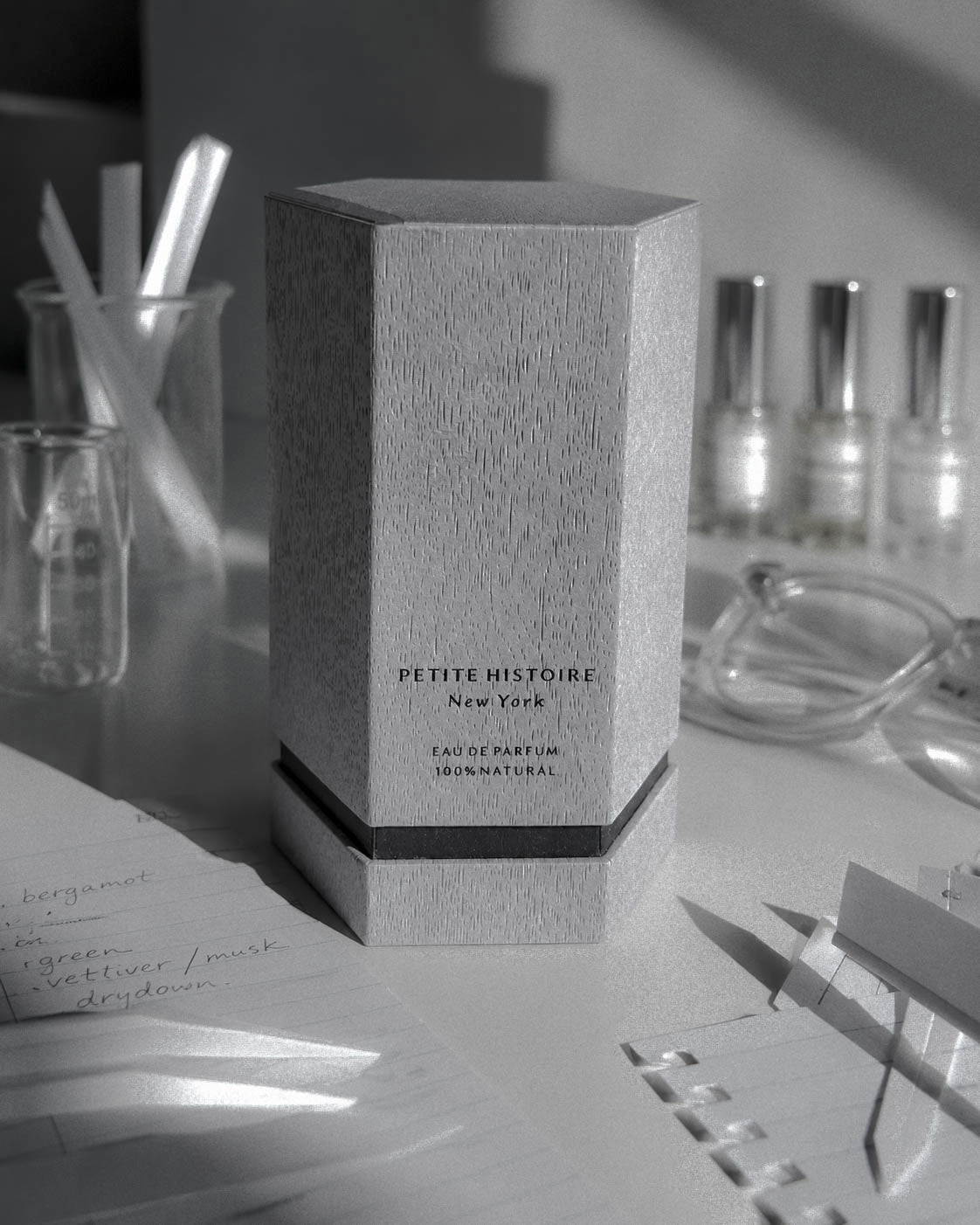
For our own Figue Narcotique, this is the territory that interested us: a fig milk accord placed between jasmine and cardamom, then pulled into labdanum, sandalwood, and vanilla. The fig is less a literal Mediterranean fruit than a soft, milky material inside a darker composition.
Fig arrived at an unusually useful moment in modern perfumery.
It is recognizable without carrying the cultural weight of rose or vanilla. It can smell naturalistic while being largely constructed. It crosses readily between green, fruity, woody, floral, and gourmand territory. It can suggest summer without relying upon citrus or aquatic notes and sensuality without immediately becoming sweet.
Perhaps most importantly, fig allows the perfumer to compose an environment around a plant.
That makes the note particularly compatible with the way contemporary niche fragrance often works: less interested in reproducing an ingredient literally than in building an atmosphere around it.
This does not make fig inherently “niche,” sophisticated, unisex, or superior.
It simply gives the perfumer a remarkable amount of room.
It can be, but the best answer is not necessarily.
Fresh fig accords are often less sugary than people expect. The characteristic green leaf, woody, and lactonic facets can be as important as the fruit itself.
If you dislike sweet perfume, look for fig paired with woods, green materials, herbs, vetiver, citrus, moss, or mineral notes.
If you want a richer fig, look toward vanilla, honey, amber, florals, spices, and darker fruit effects.
The word fig alone will not tell you which one you are getting.
Sometimes closely, sometimes deliberately not.
The scent of an actual fig depends upon cultivar, maturity, whether it is fresh or dried, and which part of the plant you are smelling. Scientific studies have repeatedly found substantial differences across these variables.
Perfume then exaggerates certain characteristics to make the fig legible.
The green leaf may become greener.
The creamy sap becomes more lactonic.
The fruit becomes richer.
The wood becomes drier.
The result can smell immediately fig-like while containing a version of fig that nature never produced in exactly that form.
That is not a deficiency.
It is perfumery.
First decide which part of the tree you actually want.
If you love the idea of sitting beneath a fig tree rather than eating its fruit, look for green leaf, sap, cedar, sandalwood, vetiver, herbs, and mineral or woody materials.
If the creamy aspect attracts you, look for fig milk, sandalwood, musk, jasmine, coconut-like lactonic effects, or soft woods.
If you want ripe fig, look for darker fruit, honey, vanilla, plum, amber, or spices.
Then smell the perfume rather than treating the note list as a guarantee.
Fig is particularly deceptive on paper because the same word covers so many constructions.
That is also what makes finding the right one pleasurable.
The fig tree presents perfumery with a small paradox.
A natural fig leaf extract is not part of the contemporary perfumer's normal palette, and the familiar creamy fig accord often depends heavily upon materials that are not literally extracted from a fig.
Yet fig perfumes can be some of the most transportive botanical fragrances we wear.
That is because naturalism in perfume is not always the same thing as using the named natural ingredient.
The perfumer notices what matters about the subject: the bitterness of the leaf, the white sap, the soft fruit, dry wood, shade, warmth. Those characteristics are rebuilt until the nose accepts the whole.
Modern fig perfume was born from that act of observation.
The fruit gave perfumers an ingredient name.
The tree gave them a world.
Gibernau, M., Buser, H. R., Frey, J. E., & Hossaert-McKey, M. (1997). “Volatile Compounds From Extracts of Figs of Ficus carica.” Phytochemistry, 46(2), 241–244.
Oliveira, A. P., et al. (2010). “Volatile Profiling of Ficus carica Varieties by HS-SPME and GC–IT-MS.” Food Chemistry.
Comparative Study of Fig Volatile Compounds Using HS-SPME-GC/MS: Effects of Cultivars and Ripening Stages (2021).
Palassarou, M., et al. Research into the volatile profile of Greek dried figs and the role of β-damascenone in dried-fig aroma.
International Fragrance Association. IFRA Standard: Fig Leaf Absolute (Ficus carica), prohibited because of sensitization and phototoxicity.
Pathak, M. A., et al. “Ficus carica: Isolation and Quantification of the Photoactive Components.” Research identifying psoralen and bergapten in fig leaf and shoot sap.
L'Artisan Parfumeur. Historical documentation of Olivia Giacobetti's Premier Figuier (1994) as the house's first fragrance built around the fig note.
MANE. Documentation of molecular extraction and reconstruction of fig fruit aroma in contemporary fragrance development.
Diptyque. Philosykos: contemporary documentation of the fig-tree accord through leaf, sap, fruit, and wood.
Robertet Groupe. Contemporary natural fragrance-material catalogue, including green natural isolates and lactonic botanical materials useful in natural perfume construction.


