

Skip to content

Cart

Your cart is empty

Continue shopping

subscribe to news

Stories of scent and craft, dispatched occasionally from our atelier. Fewer emails, more meaning.

By entering your address, you confirm you have read our privacy policy.

If you’ve been drinking “good” tea and still find it underwhelming, you’re not alone.

Much of what’s labeled premium is built on branding and flavoring rather than agricultural strength. Broken leaf, blended for consistency. Aromatics added to compensate. Origin reduced to a word on a label.

Tea is an agricultural craft. Elevation, cultivar, harvest window, and processing method determine structure long before anything is blended.

At Petite Histoire, we begin with intact origin leaf — Darjeeling shaped by Himalayan altitude, Sikkim harvested within narrow seasonal windows, Fujian processed with controlled oxidation. If the base lacks depth, nothing can disguise it.

Only when the structure is sound do we compose.

Blossoms are used for lift. Grains for body. Herbs for restraint. Fruit for contrast. Every element must support the leaf, not overpower it.

This is where we document that process. Here we write about:

  • Origin and terroir
  • Flush and harvest timing
  • Oxidation and processing
  • Structural blending
  • Brewing precision
Taste & Texture3 min read
Muscatel and Structure: Why Some Teas Feel Like Wine

What is muscatel in tea? Discover how second-flush Darjeeling develops natural wine-like tannin structure—without added grape.
Stonefruit After Dusk: How Oolong Carries Summer into Autumn
Taste & Texture4 min read
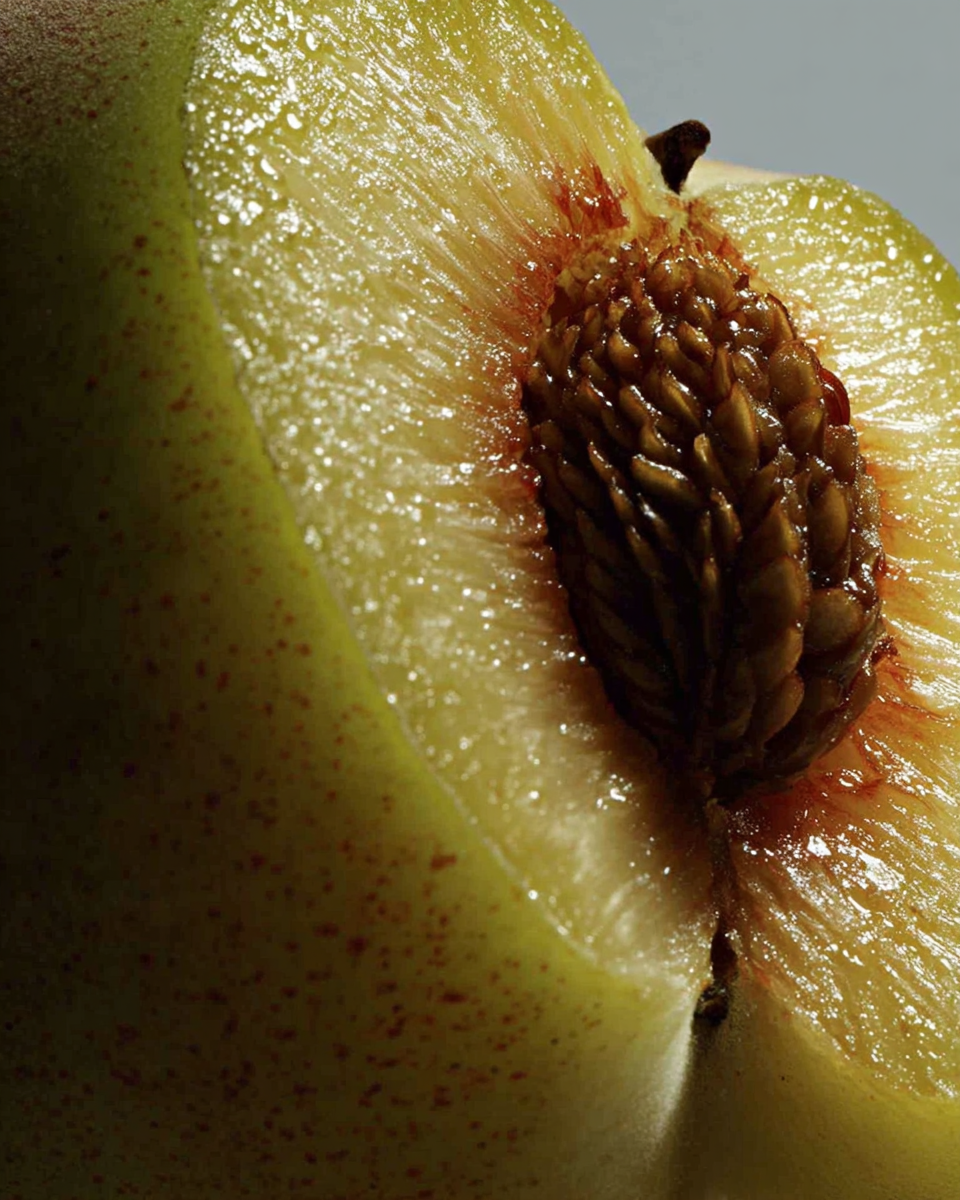
Stonefruit After Dusk: How Oolong Carries Summer into Autumn

Autumn tea shouldn’t be overly sweet or heavy. Learn how plum and oolong create warmth without syrup or spice overload.

Ritual & Culture10 min read
Rose Congou: A Tea Invented for 19th-Century British Love Letters

Discover the romantic history of Rose Congou, a luxury tea that scented Victorian love letters. Explore how this gourmet tea became a secret language of love in 19th-century Britain.

Ritual & Culture18 min read
Chrysanthemum and Pu-erh: An Herbal Pairing with a Medicinal Past

Experience the artistry of chrysanthemum and pu-erh, a luxury tea pairing that bridges ancient wisdom and modern gourmet tastes. Discover brewing techniques, health benefits, and cultural significa...

Taste & Texture18 min read
Osmanthus Oolong: The Tea That Tastes Like Spring

Discover the exquisite harmony of golden osmanthus petals and premium oolong in this luxury tea that captures spring’s essence. Experience stonefruit notes and honey sweetness in every sip of this ...

Processing & Refinement10 min read
Jasmine Green Tea: The 24-Hour Process Behind a Single Fragrant Cup

Discover the meticulous 24-hour artisanal process behind luxury jasmine green tea, where fresh flowers are layered with tea leaves and replaced nightly. Uncover why this ancient technique creates t...

Processing & Refinement10 min read
Taiwanese Smoked Teas: A Softer Approach to Fire and Fog

Discover the refined world of luxury Taiwanese smoked teas, where artisanal charcoal roasting creates gourmet tea experiences unlike any other. Explore how Taiwan’s master craftsmen perfect the del...

Rare & Rediscovered16 min read
Dan Cong Oolong and the Illusion of Fruit: A Luxury Tea Experience

Discover how Dan Cong Oolong creates natural fruit illusions without additives. Explore this luxury tea's remarkable complexity and learn why it's revered in the gourmet tea world.

Processing & Refinement3 min read
Lapsang Souchong: Why Smoke Belongs in Fine Tea

What is Lapsang Souchong? Discover how authentic pinewood smoking creates depth and silk—not artificial smoke—in black tea.

Processing & Refinement5 min read
The Detail Everyone Ignores in Mao Feng Tea

The detail everyone ignores in Mao Feng? Bud ratio. Learn how leaf structure shapes sweetness, body, and balance in green tea.

Taste & Texture4 min read
The Toasted Genius of Genmaicha: Why Roasted Rice Makes Green Tea Better

Roasted rice meets Japanese green tea in Genmaicha — warm, textured, and unexpectedly composed.

Place & Terroir4 min read
The Pause Between Meetings: What Sencha Teaches Manhattan About Stillness

In a city that never pauses, Japanese Sencha offers structured stillness. Explore Uji green tea, umami science, and the ritual of calm focus.

Craft & Brewing9 min read
Steam, Not Scent: The Invisible Layer of a Well-Brewed Tea

Discover how steam—not just scent—reveals the true character of luxury tea. Explore the science behind aromatic compounds and enhance your gourmet tea experience with this sensory guide.

Taste & Texture10 min read
What Does 'Floral' Actually Mean in Tea? Texture, Scent, and Memory

Discover what “floral” truly means in luxury tea beyond taste. Explore the sensory journey where texture meets aroma, science connects with memory, and every sip tells a story. Elevate your gourmet...

Place & Terroir4 min read
Wuyi Yan Cha Explained: Rock Terroir, Oxidation, and Charcoal Roast

If you think oolong is floral or soft, Wuyi Rock Oolong will reset your palate. Learn how rock terroir and charcoal roasting create yan yun.

Taste & Texture3 min read
Keemun, the Gentleman’s Black Tea: How China Invented Refined Strength

If you think black tea must be bold and astringent, Keemun will recalibrate your palate. Learn how oxidation control creates smooth structure.

Taste & Texture10 min read
Chamomile Isn’t Sweet: Bitterness, Calm, and the Misunderstood Bloom

Discover the truth about chamomile tea’s misunderstood flavor profile. Explore how this luxury tea’s natural bitterness—not sweetness—signals its powerful calming properties and therapeutic benefits.

Place & Terroir3 min read
Assam Explained: Why This Black Tea Delivers Strength Without Apology

If you think bold tea just means more tannin, Assam will recalibrate your palate. A structural guide to terroir, processing, and why it anchors breakfast blends.

Taste & Texture8 min read
Linden Blossoms and the Architecture of Calm in Tea

Discover how linden blossoms create tranquility through their honey-sweet luxury tea experience. Explore the ancient tree’s calming properties and learn to design your own peaceful spaces with this...

Taste & Texture10 min read
Violet & Verbena: The Language of Blue-Toned Florals in Tea

Discover the enchanting world of violet and verbena in luxury tea. Explore these blue-toned florals’ rich history, sensory profiles, and wellness benefits in gourmet tea blends.

Taste & Texture8 min read
Basil, Tomato, and Salt: A Savory Approach to Herbal Iced Teas

Discover how basil, tomato, and salt create an unexpected luxury tea experience. Explore this savory twist on gourmet tea that’s redefining premium beverages. Perfect for culinary adventurers seeki...

Craft & Brewing9 min read
Cold Chamomile, Elderflower, and Linden: Pale Florals in Iced Tea for Heat Relief

Beat the heat with cold-brewed floral teas that cool and calm. Our guide to chamomile, elderflower, and linden reveals how these gourmet tea options offer both physical relief and sensory delight d...

Place & Terroir9 min read
Luxury Tea from Volcanic Soil: How Minerals Transform Tea Flavor Profiles

Discover how volcanic soil’s unique minerals transform ordinary leaves into extraordinary luxury tea. Explore the science behind how terroir shapes flavor profiles in the world’s finest gourmet teas.

Taste & Texture9 min read
Elderflower, Linden, and the Sleepy Art of Pale Florals in Tea

Experience the enchanting world of elderflower and linden in luxury tea. Explore how these delicate pale florals create a sensory journey of subtle flavors and calming properties in gourmet tea exp...
Frequently asked questions

If you care about what you’re drinking, you probably have standards.

Where was it grown?
Why this garden?
Why add anything at all?
What makes one harvest taste different from the next?

Most tea labels answer with adjectives. We answer with structure.

This section exists for readers who want clarity before commitment. If you’re deciding whether our approach aligns with yours, start here.

What makes Petite Histoire teas different from other blends?

Most blends begin with flavor. We begin with leaf.

If the base tea lacks integrity — proper harvest timing, controlled oxidation, clean processing — nothing added will correct it. Our blends are built on structurally sound origin teas, then composed with restraint.

Every addition must justify its presence. Nothing is included for novelty. Nothing masks weak material.

The result is tea that opens cleanly, holds through the mid-palate, and resolves without excess sweetness or artificial lift.

Are your teas made with natural ingredients?

Yes.

We work with whole leaf tea and traditional botanical inclusions — blossoms, spices, grains, fruit — selected for structural role, not decoration.

When aromatic distillates are used, they are chosen to extend the architecture of the cup, not overpower it. We do not rely on syrupy flavoring or synthetic aroma to create impact.

If the leaf cannot stand on its own, it is not used.

How do you design a new blend?

We start with a base tea and ask what it requires.

Does it need lift? Warmth? Body? Extension of finish?

From there, materials are tested in small batches. Proportions shift. Extraction is observed at multiple temperatures. We taste repeatedly.

Blending is not mixing. It is sequencing.

A finished blend must feel cohesive — not layered, not loud. If one element dominates, the structure is rebuilt.

What is the best way to brew your teas?

Brewing determines outcome.

Green teas typically require lower temperatures (150–160°F / 65–71°C) to preserve delicate compounds. Black teas tolerate higher heat. Oolongs sit between.

We recommend:

  • Measuring leaf rather than guessing
  • Using filtered, low-mineral water
  • Respecting steep time
  • Tasting before adjusting

Tea responds to attention. Small changes in heat or time significantly alter structure.

Are your teas sustainable or ethically sourced?

Tea is agricultural material. Its quality depends on soil health, harvest practices, and long-term relationships with growers.

We prioritize producers who maintain responsible cultivation methods and transparent supply chains. We favor smaller gardens where processing decisions are controlled rather than industrialized.

Ethics is not marketing language for us. It is preservation of the material itself.

How should I store my tea to preserve its quality?

Tea is sensitive to light, heat, air, and moisture.

Store it in an airtight container, away from direct light and temperature fluctuation. Avoid refrigeration unless humidity can be fully controlled.

Proper storage protects volatile aromatics and prevents premature degradation.

If stored correctly, tea retains clarity. If exposed carelessly, it flattens.

Ritual as restoration

What Is Tea?

If your day moves quickly and rarely pauses on its own, that’s normal.

Most things are designed for speed now — fast coffee, fast meals, fast communication. Tea often gets treated the same way: a bag, hot water, done.

But tea doesn’t respond well to haste.

When you work with full leaf tea, you have to pay attention. Water temperature changes the outcome. Steep time changes texture. The leaf itself changes from season to season.

That small requirement — noticing — is the point.

We drink tea because it creates a contained pause. Not a performance. Not a ceremony. Just a few minutes where heat, time, and material are doing something visible in front of you.

Measure the water.
Watch the leaf open.
Taste before it cools too much.

Nothing dramatic happens. But the rhythm shifts.

A well-blended tea opens cleanly, carries through the middle, and finishes without excess. When that structure holds, the experience feels settled rather than stimulating.

Tea doesn’t promise transformation.

It simply gives you something real to engage with — and that’s often enough.

Tea as Energy and Ease

If you’ve moved away from coffee because it feels sharp or short-lived, tea offers a different rhythm.

It contains caffeine — but also L-theanine, an amino acid found almost exclusively in tea. Caffeine stimulates. L-theanine steadies. Together, they create a smoother arc of attention.

You feel alert, but not rushed.

Unlike coffee, which tends to peak and drop, tea releases more gradually. The shift is subtle. Focus arrives without the edge. Energy holds without becoming agitation.

Tea also carries polyphenols — compounds responsible for both flavor complexity and many of the health associations tied to the leaf. Research links them to cardiovascular support, reduced inflammation, and antioxidant activity. But the experience is simpler than the science.

The Geography of the Leaf

Tea changes depending on where it is grown.

Altitude affects sweetness and astringency. Fog slows leaf growth, concentrating flavor. Soil alters texture. Warm days and cool nights create tension in the plant — and that tension carries into the cup.

China first cultivated Camellia sinensis, and from there tea spread — to Japan, Taiwan, India, Sri Lanka, and eventually to newer regions like Nepal, Kenya, Malawi, Argentina, Brazil, and Hawaii. Each place shaped the leaf differently.

Darjeeling carries lightness and lift.
Assam develops depth and body.
Taiwanese oolong shows precision in oxidation.
Japanese greens emphasize vegetal clarity.

When you choose tea by origin, the cup becomes less about flavor names and more about place.

The Art of the Blend

A blend should feel intentional, not decorative.

We begin with a structurally sound base tea. If the leaf lacks integrity, nothing added will correct it. From there, additional materials are chosen for role, not novelty.

Blossoms can lift aromatics.
Spices add warmth and tension.
Grains soften edges.
Fruit brings brightness or weight, depending on form.

The goal is not to overpower the base. It is to extend it.

Historically, blending has always followed this logic. Jasmine was layered over green tea to enhance aroma without masking the leaf. Moroccan mint brightened without dominating. Chai spices structured black tea’s body rather than sweetening it.

We follow that principle.

Additions must justify themselves. Flavor is not the point. Composition is.

Herbal, or Not Quite Tea

Only Camellia sinensis produces true tea.

Everything else — flowers, roots, bark, seeds — is technically a tisane. The distinction matters botanically, but in practice, the act is the same: water meets plant, and extraction begins.

Herbal infusions have long existed alongside tea. Rooibos offers body without caffeine. Yerba maté provides stimulation through a different chemical profile. Lemongrass delivers brightness without tannin.

They serve different needs; what unites them is process.

Heat. Time.
Plant material behaving as anchor.

Understanding the difference allows you to choose intentionally — caffeine or none, tannin or softness, structure or lightness.

Tea and herbal infusions are not interchangeable.

But both reward attention.