


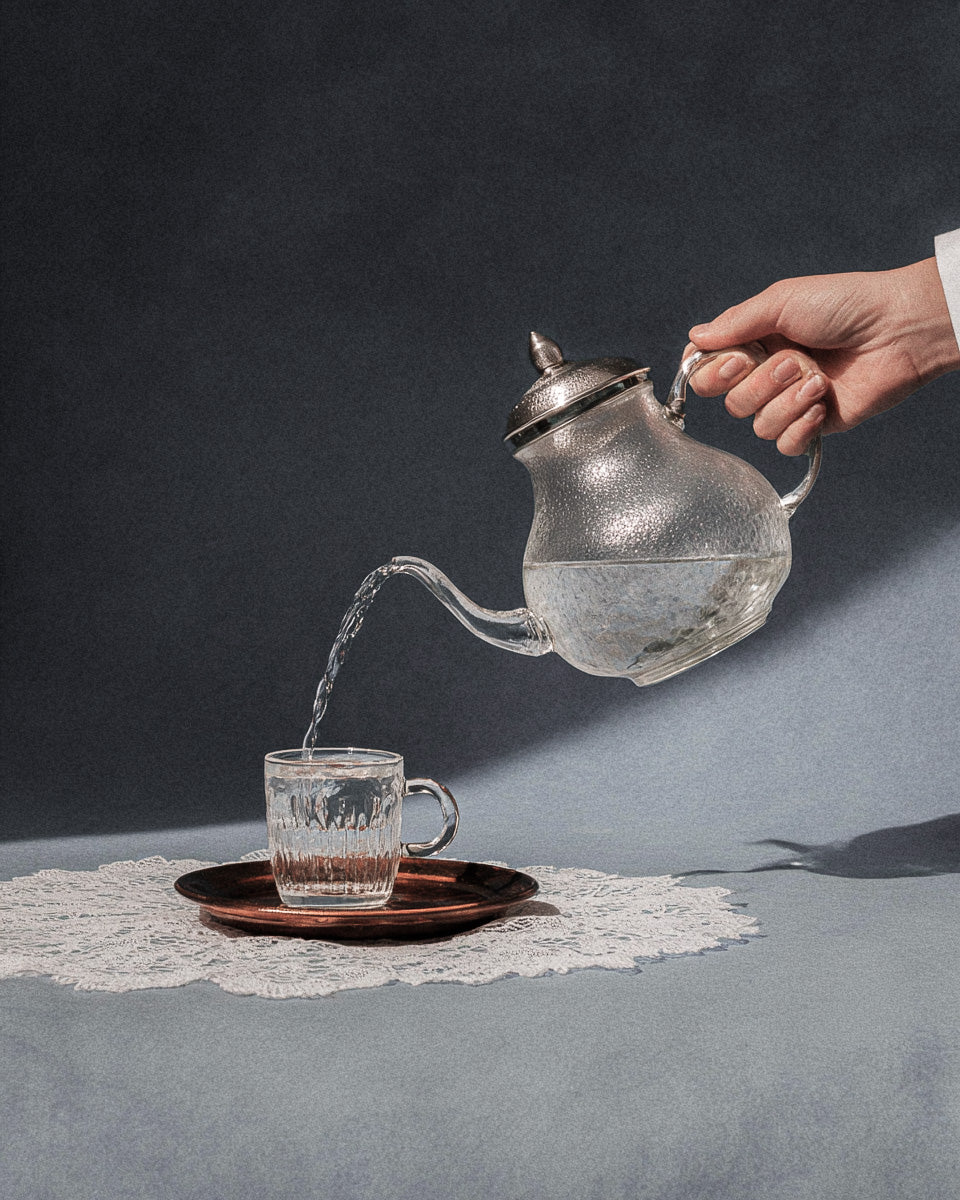
If you’ve been drinking “good” tea and still find it underwhelming, you’re not alone.
Much of what’s labeled premium is built on branding and flavoring rather than agricultural strength. Broken leaf, blended for consistency. Aromatics added to compensate. Origin reduced to a word on a label.
Tea is an agricultural craft. Elevation, cultivar, harvest window, and processing method determine structure long before anything is blended.
At Petite Histoire, we begin with intact origin leaf — Darjeeling shaped by Himalayan altitude, Sikkim harvested within narrow seasonal windows, Fujian processed with controlled oxidation. If the base lacks depth, nothing can disguise it.
Only when the structure is sound do we compose.
Blossoms are used for lift. Grains for body. Herbs for restraint. Fruit for contrast. Every element must support the leaf, not overpower it.
This is where we document that process. Here we write about:
- Origin and terroir
- Flush and harvest timing
- Oxidation and processing
- Structural blending
- Brewing precision
If you think bold tea just means more tannin, Assam will recalibrate your palate. A structural guide to terroir, processing, and why it anchors breakfast blends.
Discover how linden blossoms create tranquility through their honey-sweet luxury tea experience. Explore the ancient tree’s calming properties and learn to design your own peaceful spaces with this...
Discover the enchanting world of violet and verbena in luxury tea. Explore these blue-toned florals’ rich history, sensory profiles, and wellness benefits in gourmet tea blends.
Step behind the scenes of authentic jasmine tea production, where flowers bloom by night and tea masters work their magic. Discover why this luxury tea commands respect among connoisseurs worldwide.
From imperial courts to modern tearooms, flower petals have defined luxury tea for centuries. Explore the rich history, cultural significance, and sensory delight of floral infusions in the world o...
Discover why cotton teabags are the truly sustainable choice for luxury tea and gourmet tea enthusiasts. Unlike silken alternatives, these backyard compostable bags enhance flavor without releasing...
Experience the refined art of steeping with cotton tea bags. Learn how luxury tea brands are combining tradition, taste, and sustainability for the modern tea lover.
Rediscover the lost art of tea appreciation with our guide to luxury tea rituals. Learn how cotton tea bags enhance flavor while creating moments of tranquility in your busy day.
Discover the gourmet appeal of Mugicha, Japan’s traditional iced barley tea. This gourmet tea offers a refreshing alternative to conventional teas, with rich cultural heritage and wellness benefits...
Discover Korean Omija Iced Tea, a luxury tea experience offering five distinct flavors in one refreshing summer elixir. Explore this ruby-red gourmet tea’s rich cultural heritage, brewing technique...
The shape of ice in your gourmet tea isn’t just aesthetic—it’s science. Explore how crushed ice and cubes create entirely different flavor journeys in luxury tea.
Discover how to elevate your luxury tea experience with carbonation techniques. Learn to create sparkling gourmet tea blends with our step-by-step guide to the art and science of carbonated iced tea.
Can the rich, buttery notes of toasted gourmet teas translate to cold brewing? Uncover the unexpected harmony between toasted flavors and icy temperatures in this luxury tea exploration.
Discover how luxury tea transforms into delightful summer treats! Explore creative tea pops, shaved ice, and infused cubes that elevate your gourmet tea experience with innovative texture experimen...
Transform ordinary tea into indulgent, dairy-free creamy refreshments using artisanal methods. Learn the secrets to creating luxury iced tea experiences with plant-based alternatives.
Discover how basil, tomato, and salt create an unexpected luxury tea experience. Explore this savory twist on gourmet tea that’s redefining premium beverages. Perfect for culinary adventurers seeki...
Beat the heat with cold-brewed floral teas that cool and calm. Our guide to chamomile, elderflower, and linden reveals how these gourmet tea options offer both physical relief and sensory delight d...
Discover how to craft sophisticated luxury tea blends featuring peach, fig, and smoke notes for refreshing summer iced teas without added sweeteners. Elevate your gourmet tea experience with these ...
Beyond the leaves: How water quality and ice selection dramatically influence luxury tea flavor. Master the art of brewing perfect iced tea with our expert guide.
Explore how vessel material impacts your summer tea experience. From visually stunning glass to flavor-enhancing clay to classic tin, discover which container best complements your luxury tea colle...
Learn why cold brew green tea requires different techniques than hot tea. Learn the perfect method for brewing iced green tea with less bitterness and more flavor in this step-by-step guide.
Discover the art of luxury tea preparation with our guide to cold brew vs. flash-chilled methods. Learn which technique brings out the best flavors in your gourmet tea collection.
Discover the secrets to brewing rich, flavorful iced tea with our luxury tea guide. Learn expert techniques to prevent weak flavor, enhance premium tea notes, and create refreshing gourmet iced tea...
Transform your afternoon with a golden hour luxury tea ritual that blends ancient traditions with modern mindfulness. Discover how premium teas, proper brewing techniques, and thoughtful presentati...
Frequently asked questions
If you care about what you’re drinking, you probably have standards.
Where was it grown?
Why this garden?
Why add anything at all?
What makes one harvest taste different from the next?
Most tea labels answer with adjectives. We answer with structure.
This section exists for readers who want clarity before commitment. If you’re deciding whether our approach aligns with yours, start here.
Most blends begin with flavor. We begin with leaf.
If the base tea lacks integrity — proper harvest timing, controlled oxidation, clean processing — nothing added will correct it. Our blends are built on structurally sound origin teas, then composed with restraint.
Every addition must justify its presence. Nothing is included for novelty. Nothing masks weak material.
The result is tea that opens cleanly, holds through the mid-palate, and resolves without excess sweetness or artificial lift.
Yes.
We work with whole leaf tea and traditional botanical inclusions — blossoms, spices, grains, fruit — selected for structural role, not decoration.
When aromatic distillates are used, they are chosen to extend the architecture of the cup, not overpower it. We do not rely on syrupy flavoring or synthetic aroma to create impact.
If the leaf cannot stand on its own, it is not used.
We start with a base tea and ask what it requires.
Does it need lift? Warmth? Body? Extension of finish?
From there, materials are tested in small batches. Proportions shift. Extraction is observed at multiple temperatures. We taste repeatedly.
Blending is not mixing. It is sequencing.
A finished blend must feel cohesive — not layered, not loud. If one element dominates, the structure is rebuilt.
Brewing determines outcome.
Green teas typically require lower temperatures (150–160°F / 65–71°C) to preserve delicate compounds. Black teas tolerate higher heat. Oolongs sit between.
We recommend:
- Measuring leaf rather than guessing
- Using filtered, low-mineral water
- Respecting steep time
- Tasting before adjusting
Tea responds to attention. Small changes in heat or time significantly alter structure.
Tea is agricultural material. Its quality depends on soil health, harvest practices, and long-term relationships with growers.
We prioritize producers who maintain responsible cultivation methods and transparent supply chains. We favor smaller gardens where processing decisions are controlled rather than industrialized.
Ethics is not marketing language for us. It is preservation of the material itself.
Tea is sensitive to light, heat, air, and moisture.
Store it in an airtight container, away from direct light and temperature fluctuation. Avoid refrigeration unless humidity can be fully controlled.
Proper storage protects volatile aromatics and prevents premature degradation.
If stored correctly, tea retains clarity. If exposed carelessly, it flattens.
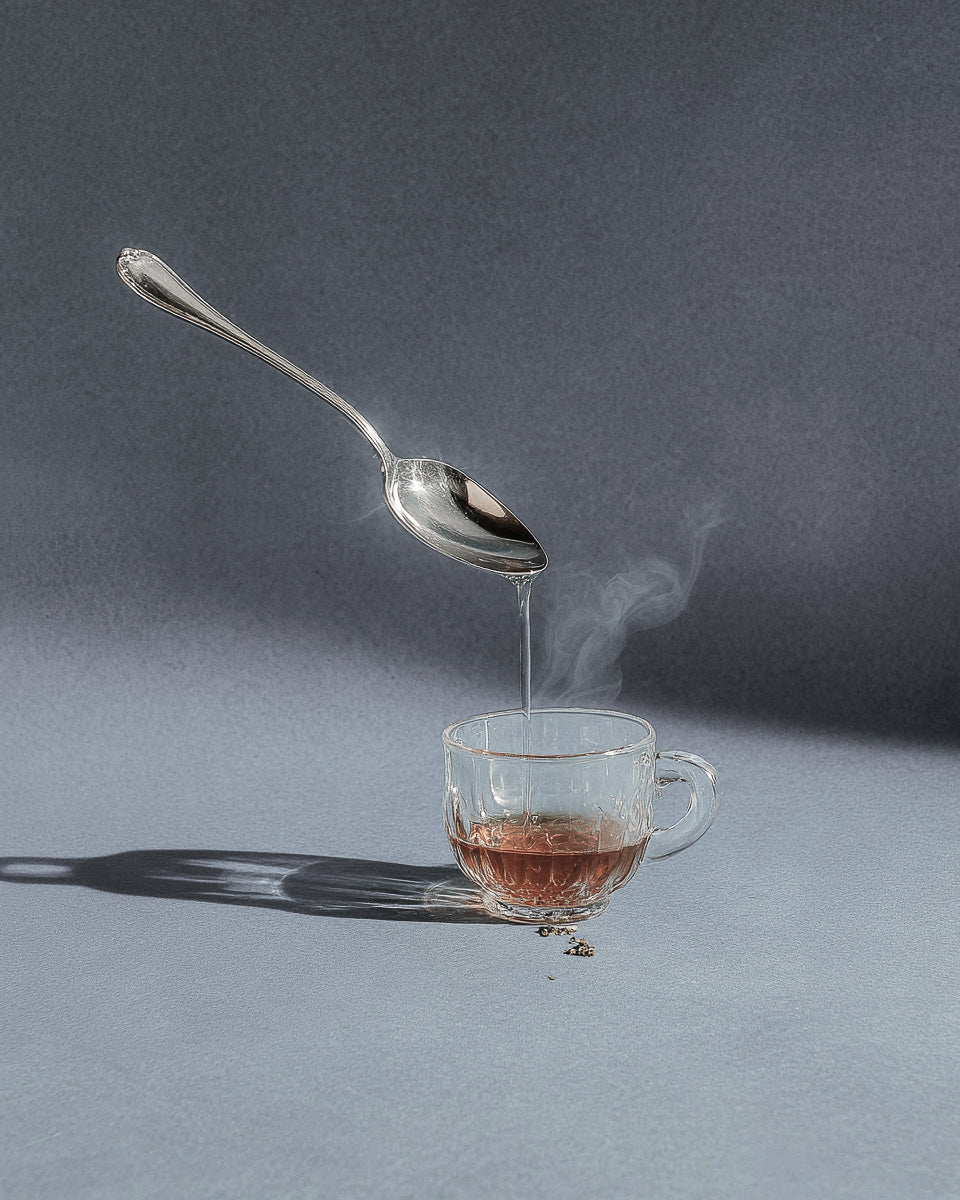
If your day moves quickly and rarely pauses on its own, that’s normal.
Most things are designed for speed now — fast coffee, fast meals, fast communication. Tea often gets treated the same way: a bag, hot water, done.
But tea doesn’t respond well to haste.
When you work with full leaf tea, you have to pay attention. Water temperature changes the outcome. Steep time changes texture. The leaf itself changes from season to season.
That small requirement — noticing — is the point.
We drink tea because it creates a contained pause. Not a performance. Not a ceremony. Just a few minutes where heat, time, and material are doing something visible in front of you.
Measure the water.
Watch the leaf open.
Taste before it cools too much.
Nothing dramatic happens. But the rhythm shifts.
A well-blended tea opens cleanly, carries through the middle, and finishes without excess. When that structure holds, the experience feels settled rather than stimulating.
Tea doesn’t promise transformation.
It simply gives you something real to engage with — and that’s often enough.