
The Scent Lab
Fragrance is often reduced to description. Notes. Mood. Atmosphere.
But if you are reading here, you likely care about how and why a scent becomes what it is. How raw materials travel from field to distillation. How culture shapes taste. How structure determines what unfolds on skin.
The Scent Lab is where we explore those questions.
In Art & Culture, we look at the broader forces that have shaped perfumery across time and place.
In Ingredients, we focus on materials themselves, their origins, character, and behavior.
In Science of Scent, we examine composition, chemistry, and the mechanics of how natural perfume evolves in wear.
Together, these sections offer context. Not trends, not spectacle, but perspective.
Because when you understand what you are wearing, the experience becomes more deliberate. And deliberate choices tend to last.

If perfume still feels confusing despite the note list, this is why. Learn how floral accords are constructed—and how they shape true fragrance composition.

Attraction isn’t accidental—it’s compositional. Discover how floral notes in natural perfume create intimacy and emotional pull.
Not every botanical claim means natural perfume. Learn how greenwashing reshapes luxury fragrance—and how to choose with clarity.

“Masculine” and “feminine” are marketing shortcuts. Discover how natural perfume ingredients create unisex compositions built on structure, not stereotypes.

If fig feels like a summer cliché, this is why. Learn how seasonality transforms fig in natural perfume from bright novelty to architectural depth.
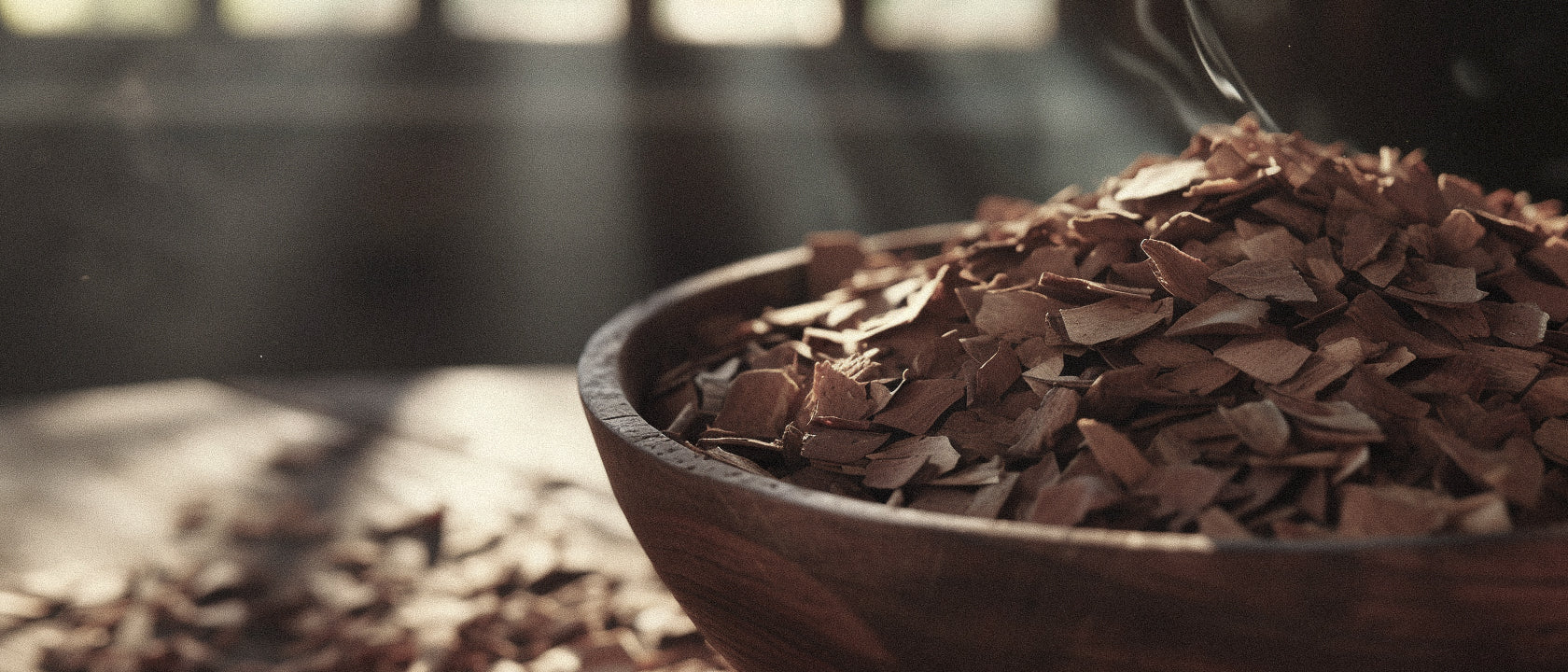
Sandalwood is more than warmth—it’s structure. Explore how this iconic material anchors natural perfume with depth, restraint, and lasting presence.
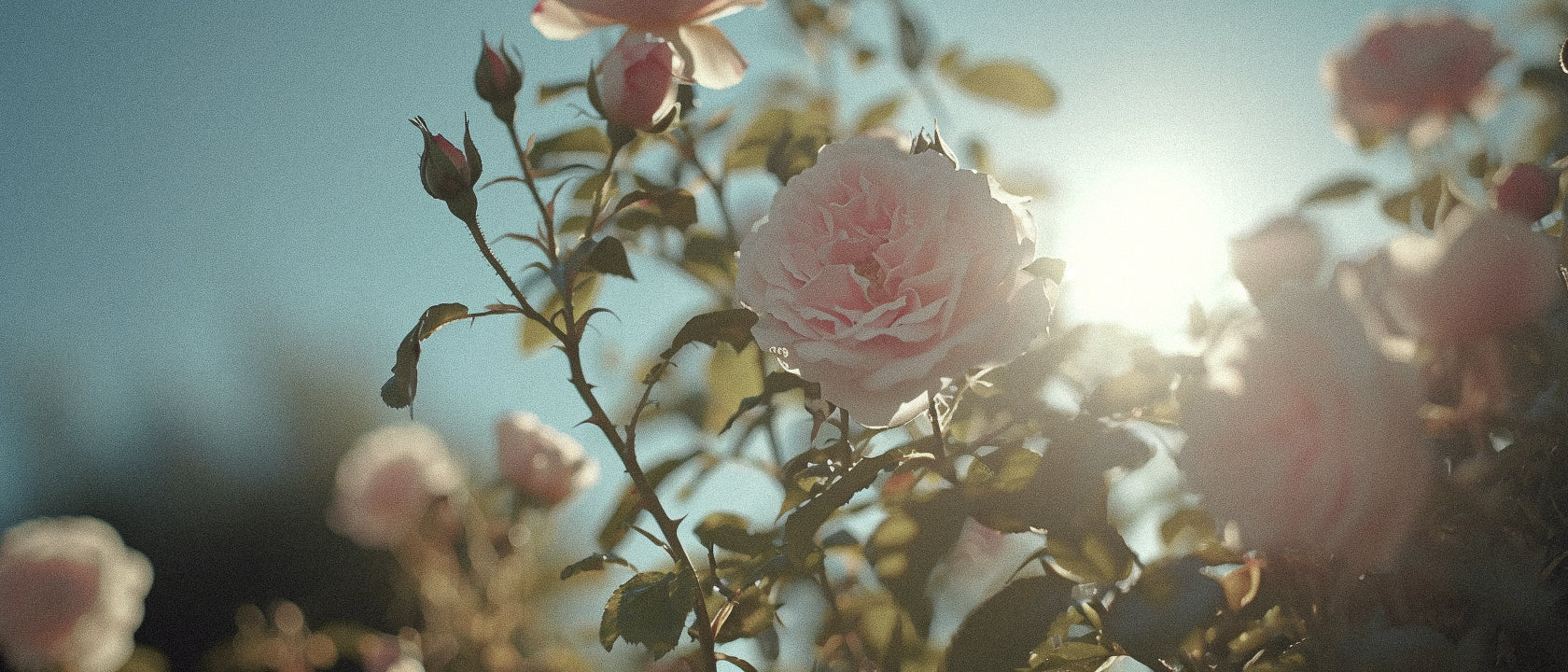
Rose de Mai defines refinement in natural perfume. Discover the chemistry behind this rare bloom—and why it creates nuance synthetic florals cannot replicate.
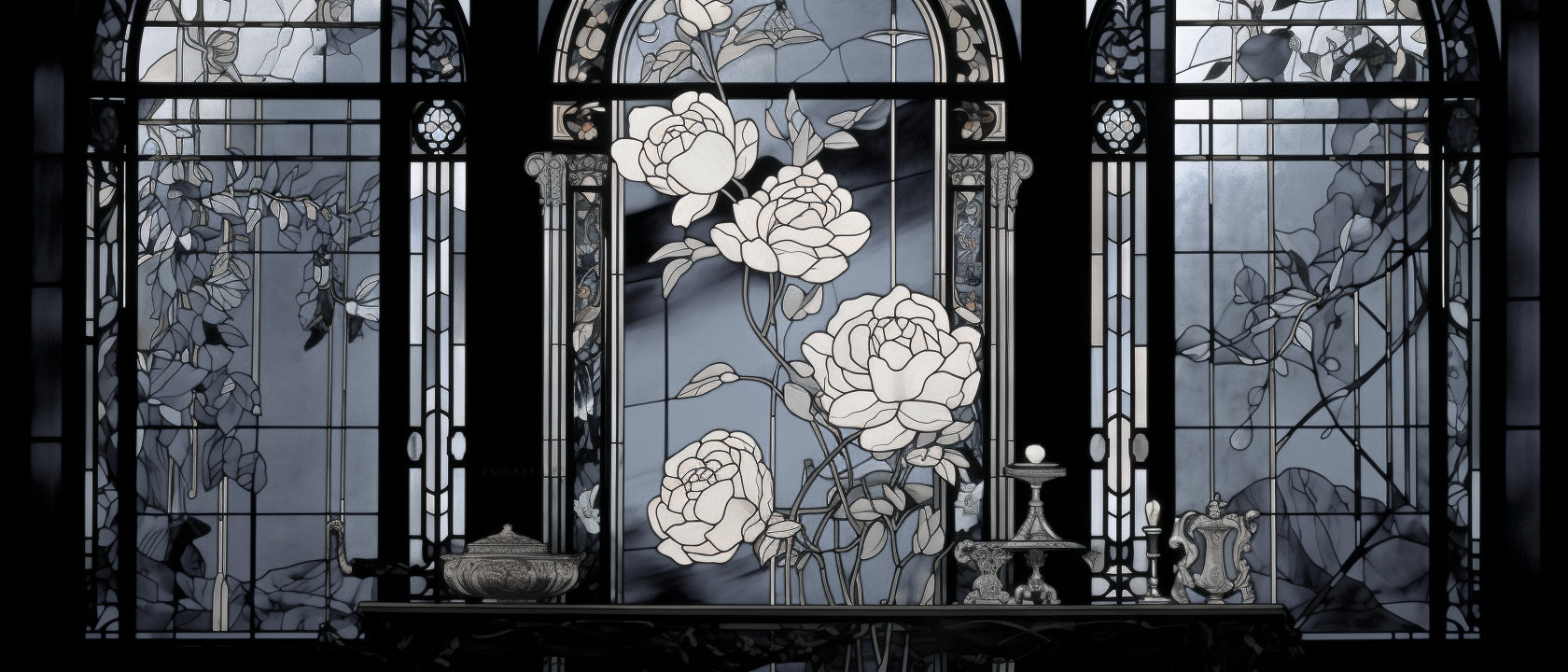
Sustainability isn’t a trend—it’s a shift in standards. Learn how modern luxury fragrance integrates ethics, craft, and long-term value.
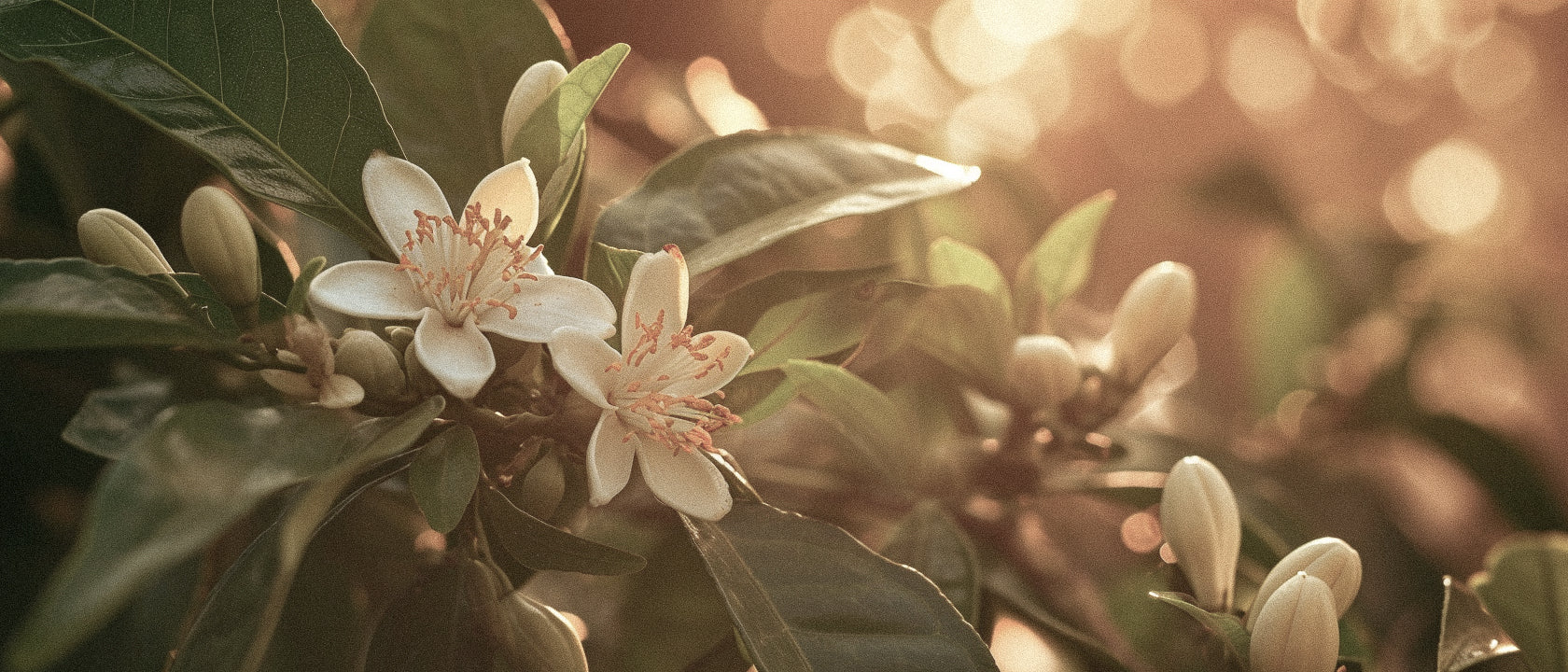
If “fresh” fragrances feel thin or fleeting, this is why. Learn how neroli oil adds dimension, radiance, and balance to a composition.
Vanilla can be predictable—or transcendent. Learn the five sensory dimensions that define its role in truly unforgettable fragrance.

Perfume is more than notes—it’s a progression. Explore the 5-step journey from molecule to memory and choose scent with greater intention.
“Rose” is often reduced to a single note. Explore Damask, Centifolia, and Gallica—and learn how varietal nuance defines true luxury perfumery.
Frequently asked questions
If you are exploring natural perfume, you likely have questions.
What does “natural” actually mean. Why does a botanical fragrance evolve on your skin instead of staying fixed. What does sustainability require in a material as complex as scent. How do history and culture influence what you perceive as beautiful.
These are not niche questions. They are the natural result of paying attention.
Finding clear answers, however, is not always easy. Fragrance language is often vague, and ingredient lists rarely tell the full story.
This section is here to give you clarity.
We have gathered the questions we are most often asked about materials, sourcing, chemistry, and tradition. Each response reflects both research and hands on practice in natural perfumery.
The more you understand how a perfume is made, the more confidently you can decide what belongs on your skin.
Common Questions
Choosing fragrance online can feel uncertain. Rather than focusing only on note lists, consider how you want the scent to feel: luminous and airy, warm and enveloping, sensual and deep, or cool and restrained.
Our descriptions emphasize wear experience — how the fragrance evolves, how it projects, and when it shines. For a lower-risk introduction, our sampler sets allow you to experience the scents on your own skin before committing to a full bottle.
Our fragrances are designed for intimate wear rather than aggressive projection. Some compositions create a noticeable aura, while others stay closer to the skin.
Rather than overwhelming a room, they are meant to draw someone closer. Longevity and presence vary by scent, but all are structured to evolve gradually over hours of wear.
Longevity depends on composition, skin chemistry, and application. Most of our fragrances wear between 3-6 hours, with some lingering longer on clothing or hair. We typically suggest applying 3-4 sprays on initial application.
Natural materials tend to soften and settle closer to the skin over time rather than remaining static. Reapplication can enhance depth and extend presence throughout the day or evening.
Intimate wear refers to fragrance designed to be experienced within personal space rather than at a distance.
Instead of projecting loudly, the scent develops with your body heat and becomes most noticeable to you and those near you. This creates a more nuanced and personal signature.
Our compositions are structured around materials and mood rather than gender categories.
Some lean brighter or darker, softer or more structured, but all are designed to be worn by anyone drawn to the composition. We encourage choosing based on personal preference rather than traditional labels.
We focus on natural materials not as a trend, but as an artistic choice. Our fragrances are composed to evolve on the skin — structured, restrained, and designed for intimacy rather than spectacle.
The result is perfume that feels refined, nuanced, and distinctly personal rather than mass-produced or trend-driven.
Natural Perfume
In perfumery, a natural ingredient is derived from plant, resin, or mineral sources and obtained through methods such as distillation, expression, or extraction — rather than being synthetically constructed.
Because natural materials are shaped by harvest, origin, and climate, subtle variation can occur between batches. This nuance is part of their character, and one of the reasons natural perfume feels more dimensional and less uniform on the skin.
Yes. Natural materials can deepen slightly in color and tone as they mature, particularly in warmer base notes like resins and woods.
When stored properly — away from heat and direct light — the structure remains intact while the composition may gain subtle richness over time.
Fragrance interacts directly with skin chemistry, body temperature, and environment. Natural materials in particular respond to warmth and pH, which can emphasize different facets of a composition from one wearer to another.
This is not inconsistency—it’s responsiveness. The scent evolves with you rather than remaining identical on every surface.
Sustainability depends on sourcing. We work with suppliers who prioritize responsible cultivation, traceability, and long-term stewardship of their materials.
No fragrance house can claim perfection, but thoughtful sourcing and transparency help ensure that the beauty of a material does not come at the expense of the land or the communities who cultivate it.
We evaluate materials based on origin, quality, and the way they perform in composition. A rose grown in one region may express brightness and lift; in another, it may feel darker and more textured.
We select ingredients for both their technical performance and their emotional resonance — choosing the expression that best supports the structure of the fragrance.
Perfume culture refers to the traditions, rituals, and craftsmanship that shape how fragrance is created and worn. From historic resin trade routes to modern niche ateliers, scent has long been tied to identity, memory, and personal expression.
Our writing explores that lineage — connecting material knowledge with the way fragrance is experienced today.
Understanding materials deepens appreciation. Knowing how sandalwood ages, how orris develops over years, or how resins are harvested adds context to what you’re wearing.
Fragrance becomes more than a list of notes — it becomes an informed choice.