

The Tea Journal
A little history, a little intrigue, and a little something good steeping.
Tea has kept some remarkable company over the centuries: merchants and monarchs, mountain farmers, poets, and anyone who ever needed an excuse to linger at the table.
Here, we follow its travels, its peculiar customs, the fascinating ingredients that find their way into the cup, and the small pleasures of brewing something wonderful at home. Consider this a collection of curious histories and useful particulars, best enjoyed with the kettle on.
Discover whether tea rinsing enhances or diminishes your luxury tea experience. Explore ancient Chinese traditions, modern taste preferences, and expert guidance on when to rinse different tea vari...
Discover how weather and light transform your luxury tea experience. Learn to pair gourmet teas with cloudy days, golden hour, and seasonal shifts for the perfect sensory harmony in every cup.
Discover the exquisite world of monsoon teas, rare gourmet tea varieties with complex flavors shaped by wild growth and seasonal harvests. Explore nature’s finest artisanal teas—where tradition mee...
Discover how elevation transforms luxury tea cultivation from Darjeeling to Nepal. Explore the science behind why high-altitude teas develop complex flavors and command premium prices in the gourme...
Is hard water ruining your luxury tea? Explore how minerals affect brewing chemistry, alter flavor profiles, and change the mouthfeel of your favorite teas.
Discover why autumn flush luxury teas offer richer flavors and deeper complexity. Explore how late-season harvests from Darjeeling, Nepal, and Taiwan create the most prized gourmet teas sought by c...
From silvery buds to rich amber liquor—uncover how time enhances Shou Mei tea’s flavor and value. Delve into the world of aged white tea, where patience creates a gourmet experience unlike any other.
Milk Oolong’s creamy flavor has tea lovers puzzled: natural miracle or clever flavoring? Explore this luxury tea mystery and discover how to identify authentic Jin Xuan from imitations.
Discover the fascinating journey from light to dark oolong teas. Explore how roasting transforms Baozhong, Tieguanyin, and Wuyi varieties, and find your perfect luxury tea match. Learn brewing secr...
Discover whether luxury tea or coffee better suits your body chemistry for optimal energy, focus, and mood. Compare the gentle clarity of gourmet tea with coffee’s immediate boost in this sensory g...
Elevate your daily ritual with the finest luxury teas for morning energy, afternoon focus, and evening relaxation. Explore our gourmet tea guide to match the perfect cup to every moment.
From robust black tea to caffeine-free herbals, understand exactly how much caffeine is in each tea type and how brewing methods influence your cup.
Learn how steep duration affects flavor profiles in gourmet tea. Master the art of brewing for optimal taste and benefits.
Is your water ruining your tea? Explore how tap, spring, filtered, and mineral waters affect the taste of gourmet tea and elevate your brewing technique.
Learn how to extend shelf life and preserve the flavor of your gourmet tea collection. Discover the secrets to proper loose leaf tea storage, optimal containers, and debunked myths.
Precision doesn’t require gadgets. Learn how to brew tea by reading heat, leaf, and aroma — and gain confidence without digital tools.
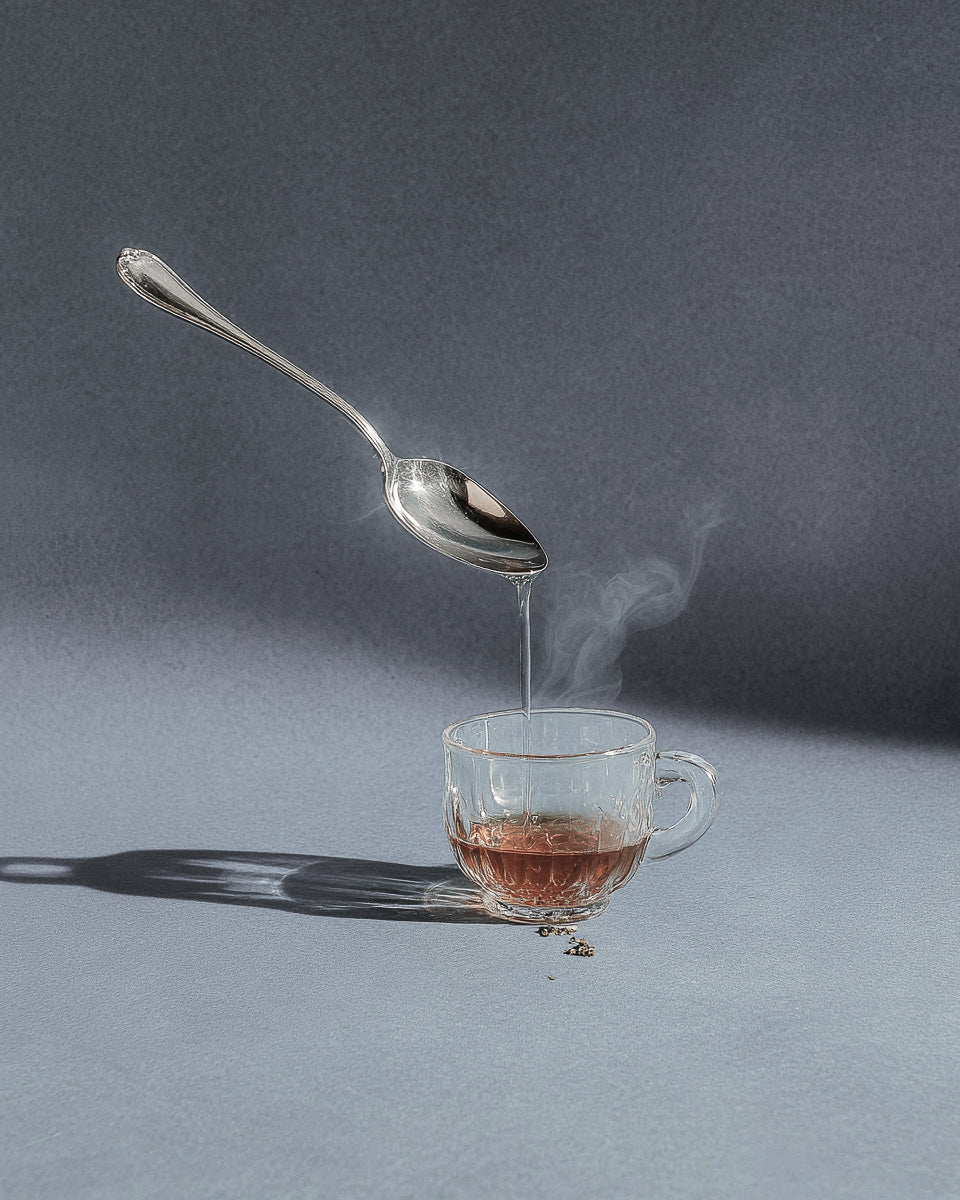
By late afternoon, even a perfectly respectable day can become rather unruly. The telephone rings, appointments run long, and there's always one more thing demanding your attention. At such times, putting the kettle on seems an especially civilized idea.
Tea has its own timetable, which is perhaps part of the attraction. Loose leaves need room to open, the water ought to be just the right temperature, and a minute too long can change the entire affair. While you attend to these small particulars, the fragrance rises from the pot, and the world, for once, can carry on without your immediate supervision.
Nothing miraculous happens, of course. But the pace changes, and an ordinary afternoon becomes a little more agreeable. Our gourmet loose-leaf teas are made for precisely these moments, whether enjoyed in splendid solitude or shared with someone whose company deserves the good china.