

The Tea Journal
A little history, a little intrigue, and a little something good steeping.
Tea has kept some remarkable company over the centuries: merchants and monarchs, mountain farmers, poets, and anyone who ever needed an excuse to linger at the table.
Here, we follow its travels, its peculiar customs, the fascinating ingredients that find their way into the cup, and the small pleasures of brewing something wonderful at home. Consider this a collection of curious histories and useful particulars, best enjoyed with the kettle on.
What does “aged tea” mean? From raw puerh to smoked bancha, understand how time changes certain teas—and why it matters.
Discover how steam—not just scent—reveals the true character of luxury tea. Explore the science behind aromatic compounds and enhance your gourmet tea experience with this sensory guide.
Discover why cotton teabags are the truly sustainable choice for luxury tea and gourmet tea enthusiasts. Unlike silken alternatives, these backyard compostable bags enhance flavor without releasing...
Experience the refined art of steeping with cotton tea bags. Learn how luxury tea brands are combining tradition, taste, and sustainability for the modern tea lover.
The shape of ice in your gourmet tea isn’t just aesthetic—it’s science. Explore how crushed ice and cubes create entirely different flavor journeys in luxury tea.
Discover how to elevate your luxury tea experience with carbonation techniques. Learn to create sparkling gourmet tea blends with our step-by-step guide to the art and science of carbonated iced tea.
Can the rich, buttery notes of toasted gourmet teas translate to cold brewing? Uncover the unexpected harmony between toasted flavors and icy temperatures in this luxury tea exploration.
Discover how luxury tea transforms into delightful summer treats! Explore creative tea pops, shaved ice, and infused cubes that elevate your gourmet tea experience with innovative texture experimen...
Transform ordinary tea into indulgent, dairy-free creamy refreshments using artisanal methods. Learn the secrets to creating luxury iced tea experiences with plant-based alternatives.
Beat the heat with cold-brewed floral teas that cool and calm. Our guide to chamomile, elderflower, and linden reveals how these gourmet tea options offer both physical relief and sensory delight d...
Beyond the leaves: How water quality and ice selection dramatically influence luxury tea flavor. Master the art of brewing perfect iced tea with our expert guide.
Explore how vessel material impacts your summer tea experience. From visually stunning glass to flavor-enhancing clay to classic tin, discover which container best complements your luxury tea colle...
Learn why cold brew green tea requires different techniques than hot tea. Learn the perfect method for brewing iced green tea with less bitterness and more flavor in this step-by-step guide.
Discover the art of luxury tea preparation with our guide to cold brew vs. flash-chilled methods. Learn which technique brings out the best flavors in your gourmet tea collection.
Discover the secrets to brewing rich, flavorful iced tea with our luxury tea guide. Learn expert techniques to prevent weak flavor, enhance premium tea notes, and create refreshing gourmet iced tea...
Transform your afternoon with a golden hour luxury tea ritual that blends ancient traditions with modern mindfulness. Discover how premium teas, proper brewing techniques, and thoughtful presentati...
Discover how ice transforms the chemistry of luxury tea, creating a smoother, sweeter flavor profile. Explore the science behind cold-brewing gourmet tea and why temperature changes everything abou...
Discover the secrets of truly luxurious iced tea through cold texture and fruit depth. Learn how gourmet tea brewing techniques create a silky mouthfeel and multi-dimensional flavor experience that...
Why does luxury tea unfurl so beautifully in water? Discover how tea rolling affects taste, aroma, and infusion quality in the world’s finest gourmet teas.
Discover the art of blending vanilla in gourmet tea, from an exotic orchid to your tea cup. Learn why restraint is key to creating luxury tea experiences that highlight—never overwhelm—the perfect ...
From ancient hearths to modern cups: discover how roasted barley and toasted rice transform luxury tea into a sensory journey. Explore these timeless gourmet tea traditions.
Discover how discarded tea stems transform into kukicha, a hidden gem in gourmet tea culture. Explore this sustainable luxury tea’s unique flavor profile, health benefits, and journey from humble b...
Tea leaf shapes matter more than you think. Discover how tippy, twisted, and rolled varieties of gourmet tea deliver unique flavors and require different brewing methods.
Discover the art of Gongfu vs. Western tea brewing methods and how they affect flavor, experience, and appreciation of luxury teas. Learn which approach brings out the best in your favorite gourmet...
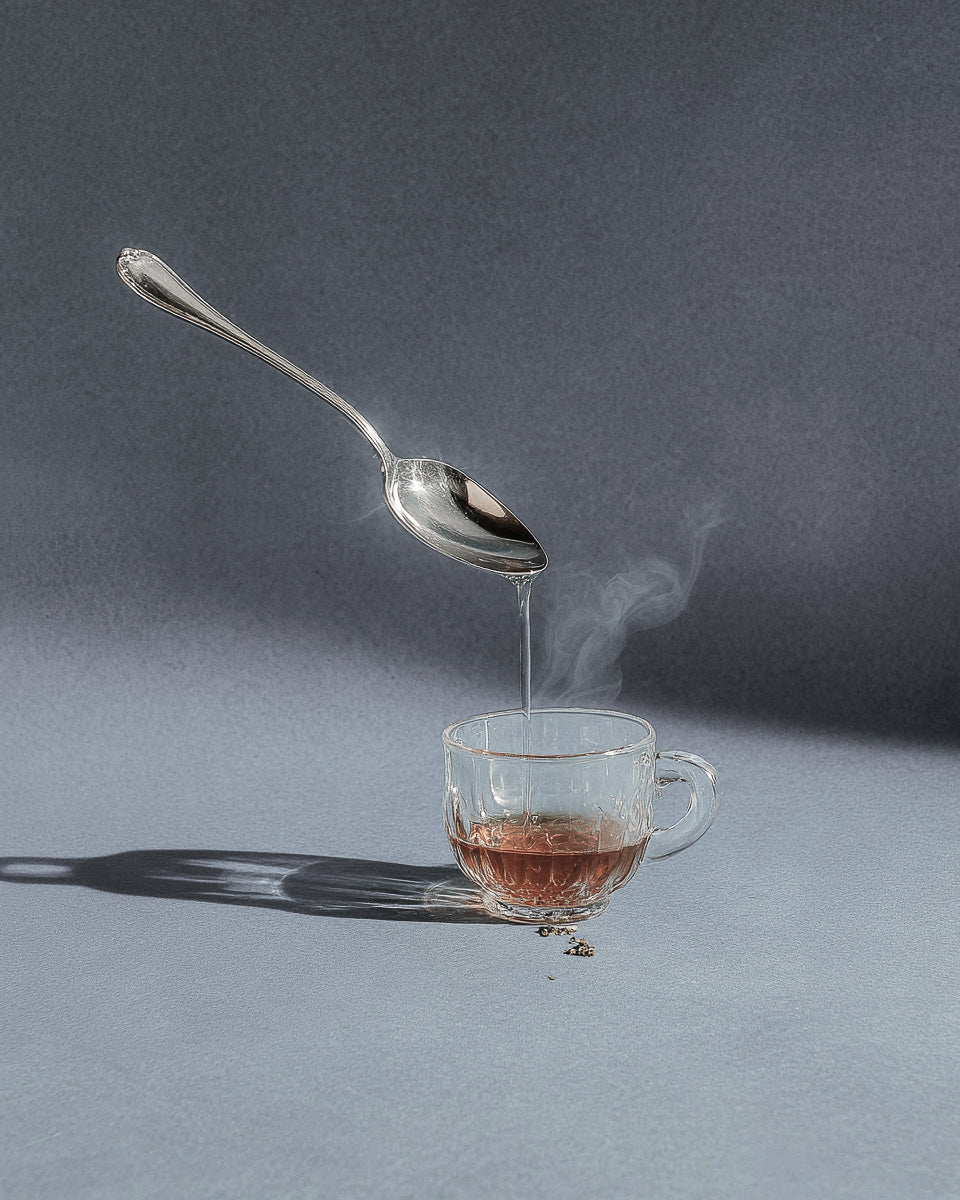
By late afternoon, even a perfectly respectable day can become rather unruly. The telephone rings, appointments run long, and there's always one more thing demanding your attention. At such times, putting the kettle on seems an especially civilized idea.
Tea has its own timetable, which is perhaps part of the attraction. Loose leaves need room to open, the water ought to be just the right temperature, and a minute too long can change the entire affair. While you attend to these small particulars, the fragrance rises from the pot, and the world, for once, can carry on without your immediate supervision.
Nothing miraculous happens, of course. But the pace changes, and an ordinary afternoon becomes a little more agreeable. Our gourmet loose-leaf teas are made for precisely these moments, whether enjoyed in splendid solitude or shared with someone whose company deserves the good china.